

Maternal cardiovascular health
Pregnancy is a woman’s first cardiovascular stress test.
High blood pressure and preeclampsia can turn dangerous in hours, often between visits. Megi pairs a digital platform with a community-based approach, so the birth workers already beside her recognise the warning signs and get her to care fast, before and after birth.
Founded as a spin-off of a specialist cardiovascular clinic
#1
leading cause of maternal mortality worldwide, yet often detected too late
Hours
is how fast blood pressure can escalate, often between prenatal visits weeks apart
4×
higher lifetime risk of heart disease after preeclampsia
The problem
Why the warning signs get missed
- 1
Pregnancy strains the heart
Pregnancy is often when high blood pressure first appears, and preeclampsia is an early warning of lifelong heart risk.
- 2
It escalates between visits
Blood pressure can rise within hours. Prenatal visits are weeks apart, and postpartum follow-up is often limited.
- 3
Care is getting further away
1 in 3 US counties is a maternity care desert. Families there travel 3× longer to reach labor and delivery, and 96 units have closed since 2024.
Source: March of Dimes, Nowhere to Go: Maternity Care Deserts Across the U.S., 2026
- 4
Birth workers are there first
Often she tells her doula or community health worker first. Yet few have had specialist training on hypertension in pregnancy, or clear guidance on when to escalate.
“Doulas are not clinicians. But they are often the first person beside a pregnant woman when something starts to go wrong.”Inside the Doula Workforce, Megi Health 2026 →
In a case study early in our certification, a client showed the classic early signs of preeclampsia: rising blood pressure and protein in her urine. Before specialist training:
65%
didn’t name preeclampsia as the concern
87%
didn’t suggest contacting her provider or urgent care
The cost of missing it
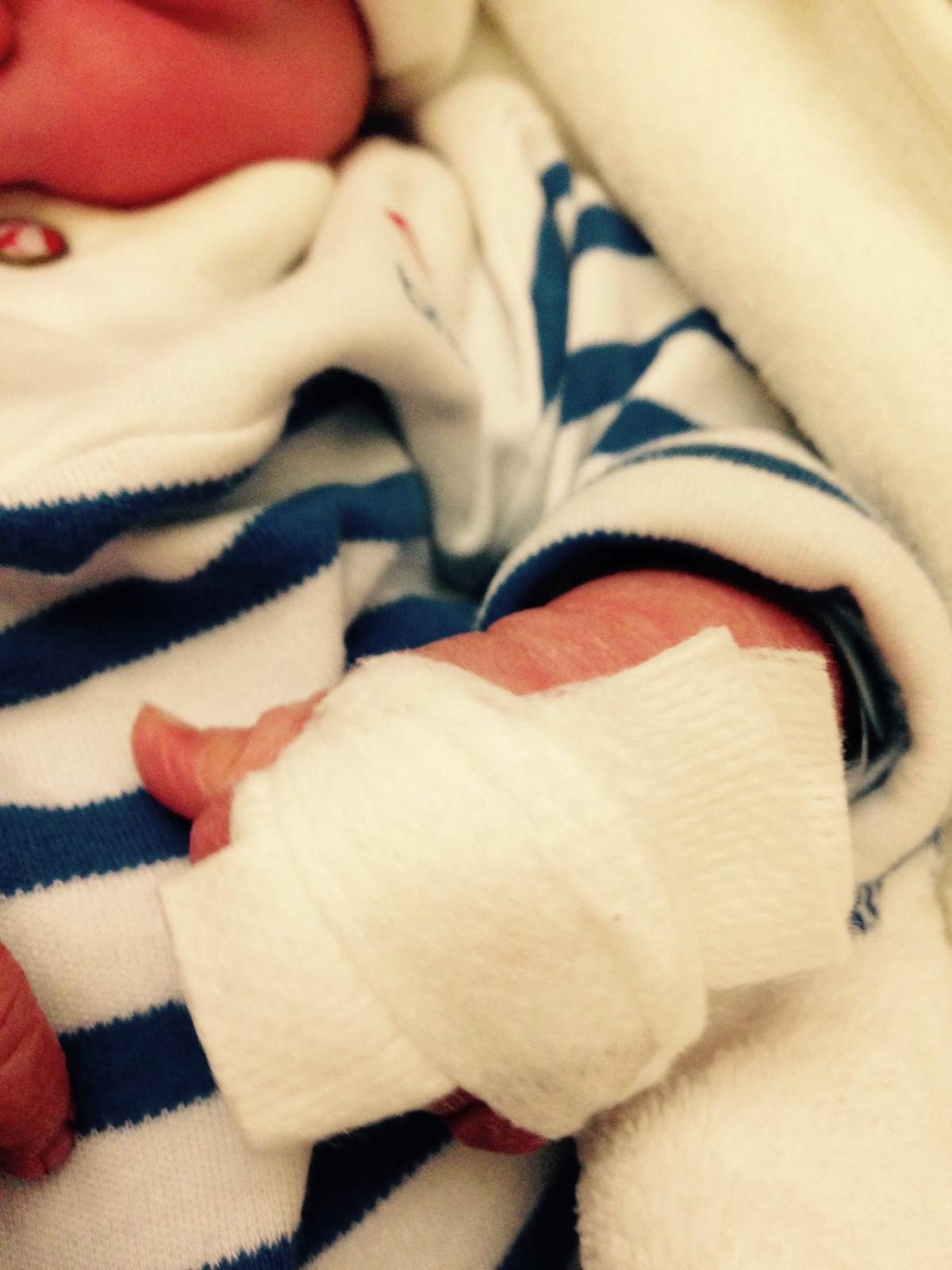
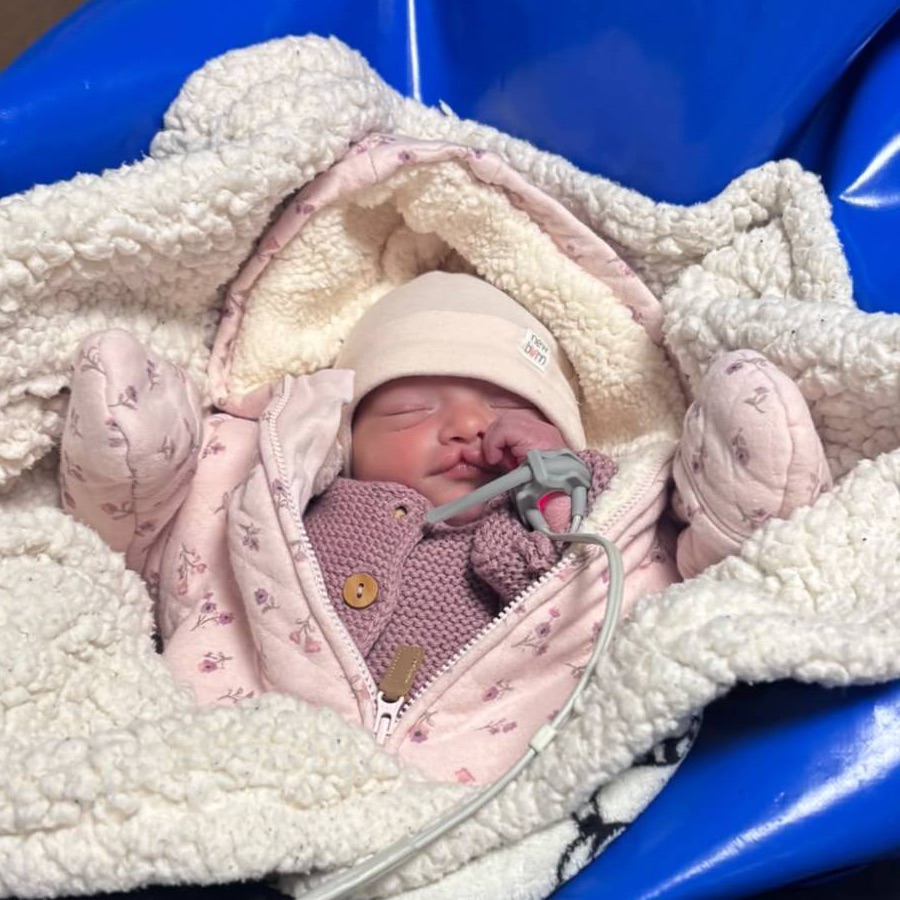
High blood pressure in pregnancy is one of the most preventable reasons babies are born early. When it’s missed, families and health plans carry the cost for years.
1 in 10
US babies start life in a NICU
Source: CDC, NCHS Data Brief, 2025 (9.8% of births in 2023)
1 in 4+
babies delivered early for medical reasons had a mother with high blood pressure
Conti-Ramsden et al., BJOG 2024, led by Megi’s CMO
$76,153
average cost of a preterm infant in the first 6 months, vs $6,370 at full term
Source: Beam et al., Journal of Perinatology, 2020

 MegiBP logged · 138/88MegiAbout Mary
Megi, between visits
More than blood pressure: a conversation that knows her whole pregnancy
Megi talks with each woman and her birth worker, in their own language. Every reading, conversation and birth worker observation adds to one picture of her pregnancy, so nothing she mentions gets lost between visits.
How Megi solves it
Recognise. Record. Refer.
Birth workers can be the early warning system between visits. It works when they have both the education and the tools, and they never diagnose or treat.
Train
ICEA-accredited High-Risk Doula Certification on high-risk pregnancies, before and after birth.
Recognise
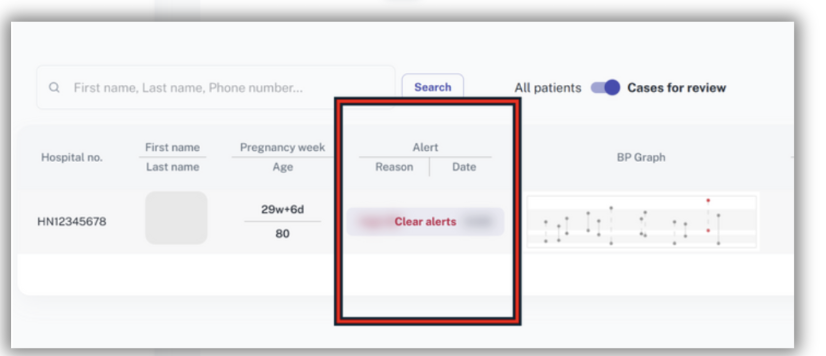
Megi’s cardiovascular intelligence combines home readings, clinical rules and risk models to flag changing risk, so birth workers know when something isn’t right.
Record
Every reading, symptom and birth worker observation builds one shared record of her pregnancy, ready for the care team.
Refer
Know what means “call the provider today” or “go to labor and delivery now”, and help her act on it.
One shared record of her pregnancy
The Megi platform
Behind every conversation: the right next step, for her and her doula
- 01Understands the conversationMultilingual communication and explanations
- 02Knows the womanHer history, pregnancy stage and health trends
- 03Recognises changing riskMonitoring data, clinical rules and risk models
- 04Knows what should happen nextGuideline-based actions, follow-ups and doula workflows
- 05Connects the care teamGuides women and birth workers, and supports clinical escalation
Designed so doulas stay in their role: Megi’s clinicians review the conversations, so birth workers never have to diagnose or treat.
A connected escalation pathway
When something isn’t right, the concern reaches someone who can act.
Clinician in the loop
Readings and context go straight to the care team, who review and decide. The birth worker stays alongside the family.
No clinician in the loop
The birth worker follows a clear referral pathway to get her seen, from her provider to urgent care or labor and delivery.
Why Megi
Born in a cardiovascular clinic
Megi began as a spin-off of a specialist cardiovascular clinic. Cardiologists and data scientists built it because preeclampsia is not just a pregnancy problem: it’s the first warning of a woman’s lifelong heart risk.
Clinically led, community implemented
Megi’s own clinicians review conversations and complex cases, and trained birth workers bring Megi to families in their communities.
Peer-reviewed evidence
Megi has already supported more than 20,000 cardiovascular patients, published in JMIR mHealth and uHealth (Jelić et al., 2025).
Regulated and secure
HIPAA-aligned, ISO 13485, CE marked, DCB 0129, NHS DTAC and Cyber Essentials.
1,400+
high-risk certified doulas
40+
US states reached
53.6% → 99.2%
recognised a blood pressure reading that needs clinical follow-up, before vs after training
ICEA
accredited and Illinois Medicaid-approved
Working with





For organizations
Health plans, health systems & community organizations
How Megi works with payers, care teams and birth worker organizations, and the outcomes it delivers.
See how we partner →For birth workers
Birth Worker Programs
High-Risk Doula Certification, Megi Care Series, Doula Ambassadors and stories from the community.
Explore programs →
Birth workers already hold the trust. Let’s turn it into earlier action.
Partner with Megi on complete high-risk maternal care.